ADA Healthcare Renovations
Create a healthcare environment that provides safer, clearer, and more accessible movement for patients, visitors, and staff. Ascension Construction delivers ADA healthcare renovations, medical accessibility improvements, and clinic construction throughout Indianapolis and Central Indiana. From individual restroom upgrades to facility-wide accessibility renovations, we coordinate construction with careful planning, clear communication, and dependable project management.
Healthcare Accessibility Built Around Patient Needs
Healthcare facilities serve individuals with different mobility levels, health conditions, injuries, disabilities, and age-related needs. Ascension Construction helps healthcare organizations, practice owners, facility managers, developers, and commercial tenants coordinate accessibility improvements throughout their properties. We evaluate existing conditions, review the approved plans, organize the necessary trades, and establish a clear construction sequence before major work begins.
Complete Healthcare Accessibility Renovations
Improve an existing medical office or clinic with coordinated accessibility modifications throughout the facility. Work may involve entrances, reception areas, waiting rooms, corridors, exam rooms, treatment spaces, restrooms, doors, and flooring transitions. Our team coordinates the applicable construction phases around the approved plans, existing conditions, patient movement, clinical operations, equipment, and identified accessibility requirements.
Accessible Entrances and Routes
Healthcare entrances should provide a clear route for patients using wheelchairs, walkers, crutches, canes, or other mobility devices. Improvements may include door modifications, threshold corrections, ramps, handrails, landings, automatic-door preparation, and flooring-transition repairs. Each route is evaluated around existing conditions, approved plans, slope requirements, door operation, circulation, weather exposure, and access to interior services.
Doorway and Hardware Improvements
Doors can create barriers when openings are too narrow, thresholds are uneven, or hardware is difficult to operate. Improvements may include wider openings, new doors and frames, lever hardware, closers, protective plates, automatic operators, and threshold modifications. Each opening is coordinated around the approved plans, wall construction, fire ratings, security, accessibility, clinical operations, and surrounding floor conditions.
Accessible Reception Counters
Create reception and check-in areas that better serve patients with different mobility needs while supporting staff workflow, privacy, storage, and technology. Improvements may include lowered counter sections, accessible transaction surfaces, knee-clearance modifications, cabinetry changes, electrical access, and surrounding flooring repairs. The final configuration is coordinated around the approved plans, available space, equipment, patient circulation, and administrative operations.
Accessible Waiting Areas
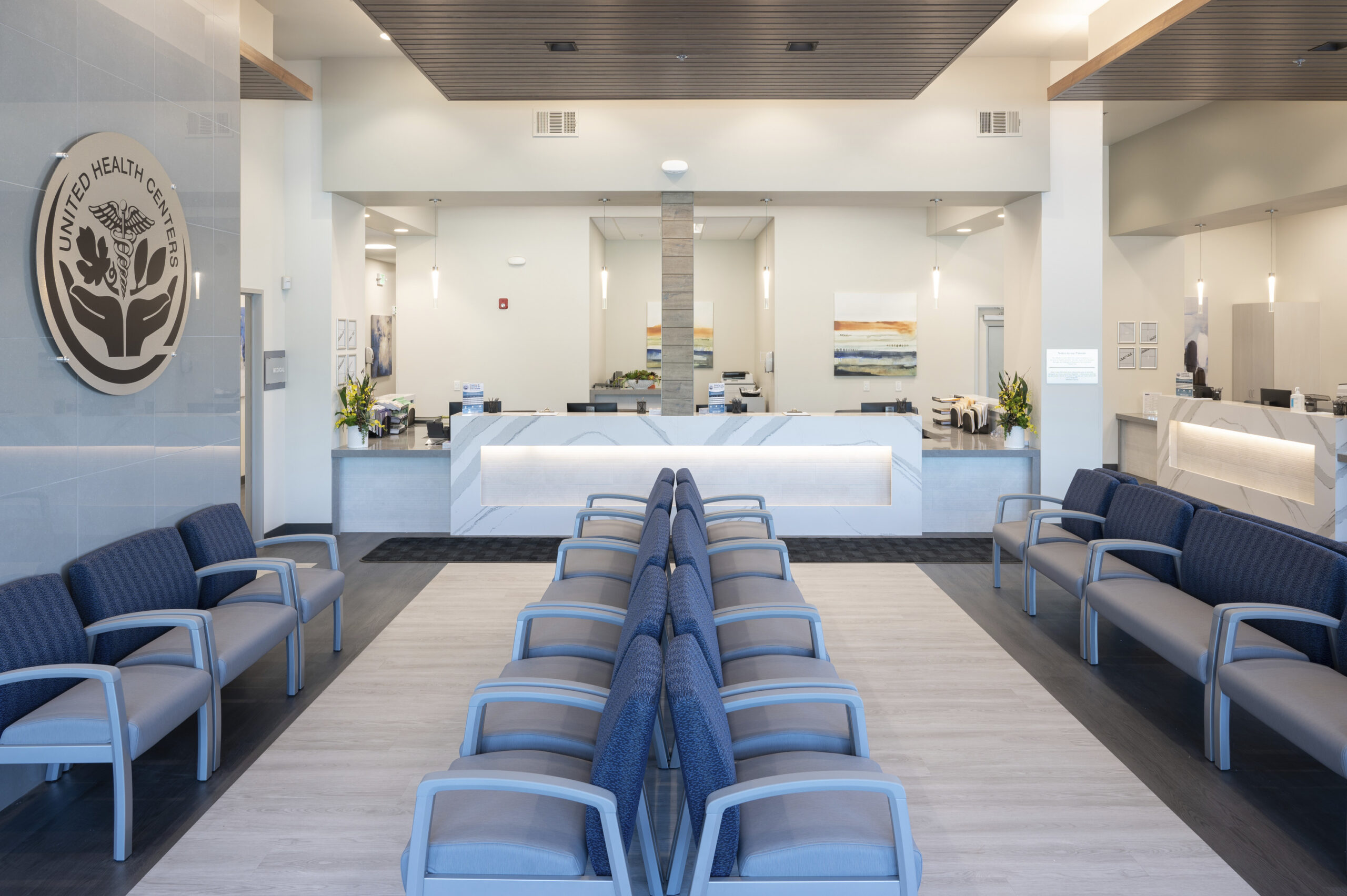
Improve waiting rooms to provide clear circulation, accessible seating locations, and convenient routes to reception, restrooms, and clinical areas. Renovations may include flooring replacement, furniture-layout preparation, reception modifications, wider pathways, door improvements, lighting, and wall protection. These spaces are planned around patient mobility, visitor capacity, equipment, staff visibility, comfort, privacy, and the overall operation of the facility.
Accessible Medical Exam Rooms
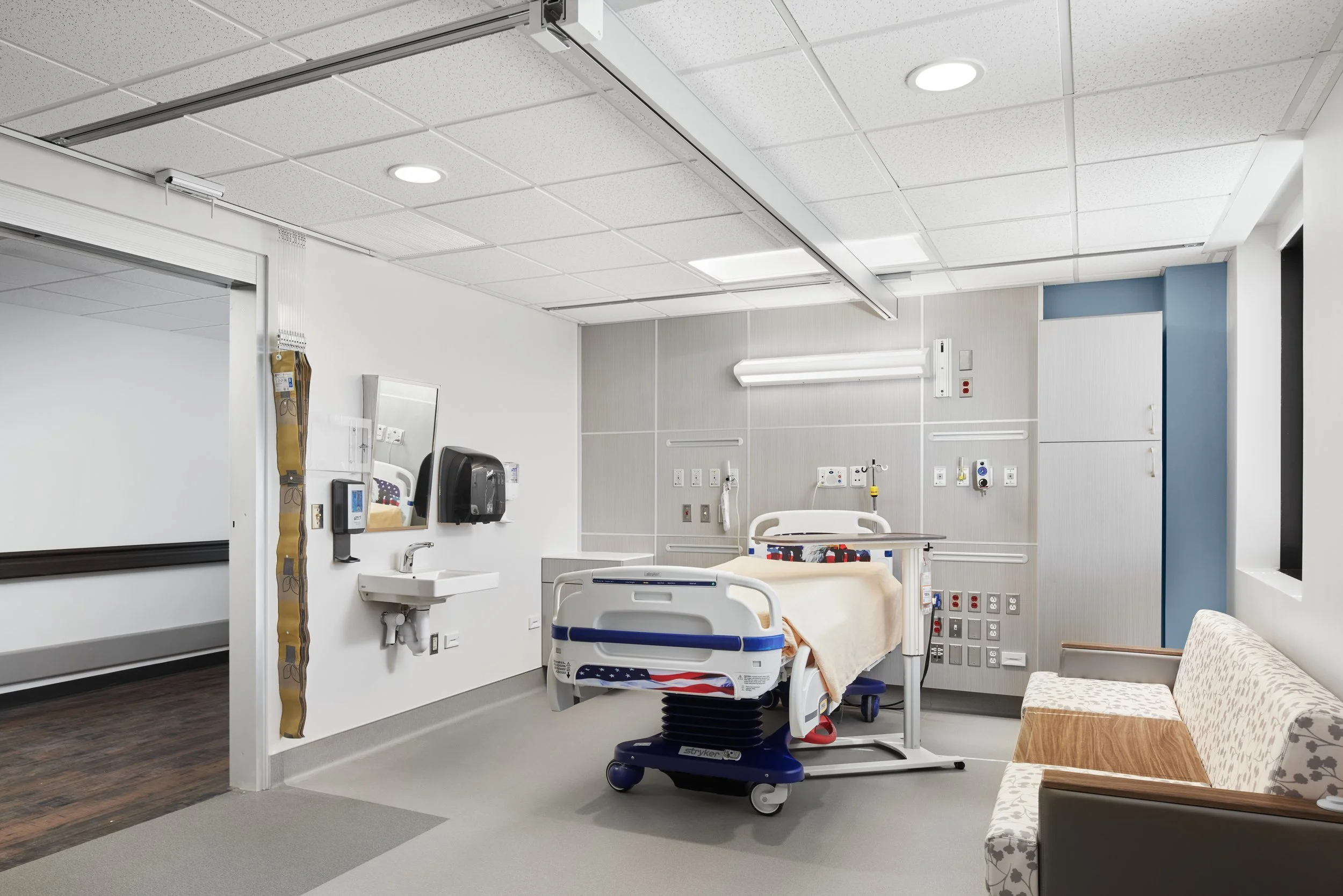
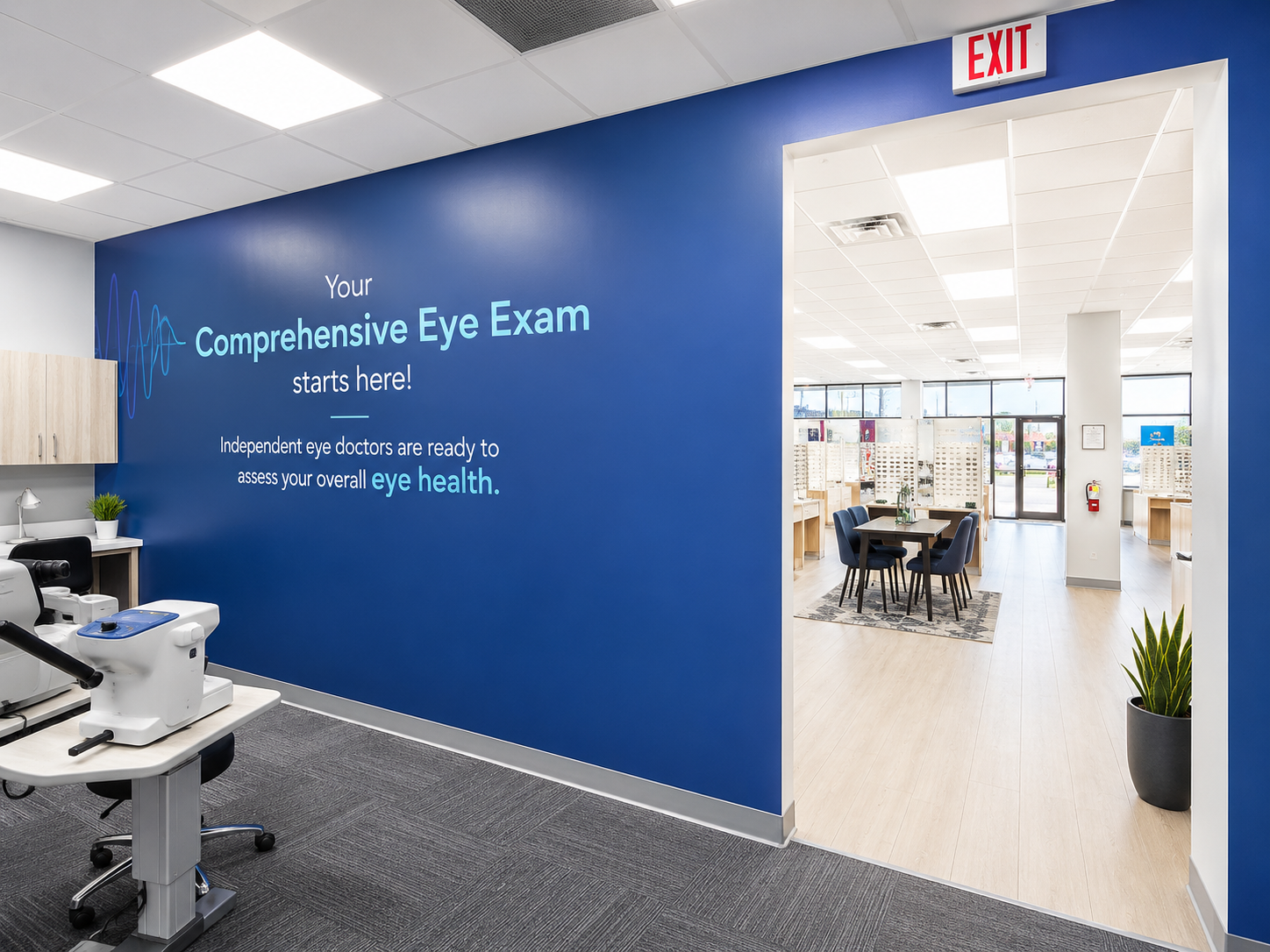
Accessible exam rooms should provide sufficient circulation, usable doorways, appropriate hardware, and clear space around identified fixtures and equipment. Renovations may include wider openings, flooring-transition corrections, sink modifications, cabinetry changes, equipment relocation, and layout improvements. Each room is evaluated around patient mobility, provider workflow, approved plans, equipment clearances, existing conditions, room dimensions, and applicable accessibility requirements.
Accessible Treatment and Therapy Areas
Treatment and therapy spaces may require wider circulation routes, appropriate flooring, accessible equipment areas, and additional room for patients and providers. Improvements may include layout modifications, partitions, door changes, flooring transitions, wall reinforcement, lighting, and utility relocation. These areas are coordinated around approved plans, patient movement, equipment, staff workflow, safety, cleaning procedures, and the services provided.
ADA Healthcare Restroom Renovations
Renovate patient, staff, and public restrooms with layouts and fixtures designed around accessible use. Work may include fixture relocation, plumbing changes, door modifications, partitions, grab-bar backing, accessible lavatories, mirrors, accessories, flooring, lighting, and ventilation. Our team coordinates the applicable trades around the approved plans, required clearances, existing conditions, privacy, cleaning, patient use, and long-term maintenance.
Grab Bars and Wall Reinforcement
Grab bars and other accessibility accessories require properly located wall reinforcement before final finishes are installed. Construction may include selective wall removal, concealed blocking, framing modifications, drywall replacement, tile repairs, and accessory installation. The final locations are coordinated around the approved plans, fixture layout, mounting requirements, wall construction, accessibility criteria, and existing plumbing or electrical components.
Accessible Sinks and Lavatories
Sinks and lavatories may require modifications to provide appropriate approach, knee clearance, fixture height, plumbing protection, and accessible controls. Improvements may include new fixtures, countertops, cabinetry changes, plumbing relocation, mirrors, dispensers, and surrounding finish repairs. Each installation is coordinated around approved plans, existing utilities, room dimensions, patient use, maintenance requirements, and surrounding accessibility features.
Flooring and Transition Corrections
Uneven flooring, raised transitions, damaged surfaces, and unsuitable materials can make movement more difficult for patients using mobility devices. Improvements may include floor preparation, transition replacement, leveling, resilient flooring, tile, commercial carpet, and base installation. Materials and transitions are coordinated around approved specifications, existing elevations, slip resistance, cleaning, durability, equipment movement, and accessibility requirements.
Accessible Corridors and Circulation
Healthcare corridors must support patients, visitors, staff, wheelchairs, medical equipment, and safe movement between different areas of the facility. Improvements may include wall modifications, doorway changes, flooring repairs, handrails, lighting, corner protection, and removal of construction-related obstructions. Each circulation route is evaluated around existing conditions, approved plans, patient flow, equipment, room access, and clinical operations.
Parking and Exterior Accessibility Improvements
Accessibility improvements may extend from designated parking areas to sidewalks, ramps, entrances, and exterior routes serving the healthcare facility. Work may include concrete modifications, curb-ramp improvements, handrails, detectable surfaces, striping coordination, signage preparation, and entrance repairs. Exterior work is developed around the approved site plans, drainage, slopes, property conditions, weather exposure, and applicable accessibility requirements.
Accessible Signage Preparation
Healthcare facilities may require accessible room identification, directional signage, restroom signs, and wayfinding throughout patient areas. Construction coordination may include backing, mounting surfaces, wall preparation, door modifications, and finish repairs for signage locations shown in the plans. Final signage content, placement, and specifications should follow the approved project documents and applicable facility requirements.
Mechanical, Electrical, and Plumbing Coordination
Accessibility renovations often affect plumbing fixtures, lighting, electrical devices, doors, cabinetry, HVAC components, and other building systems. These elements must be coordinated with the proposed layout and required clearances. The final scope is developed around the approved plans, existing utilities, equipment, room functions, patient access, facility operations, and applicable inspection requirements.
Occupied Healthcare Accessibility Renovations
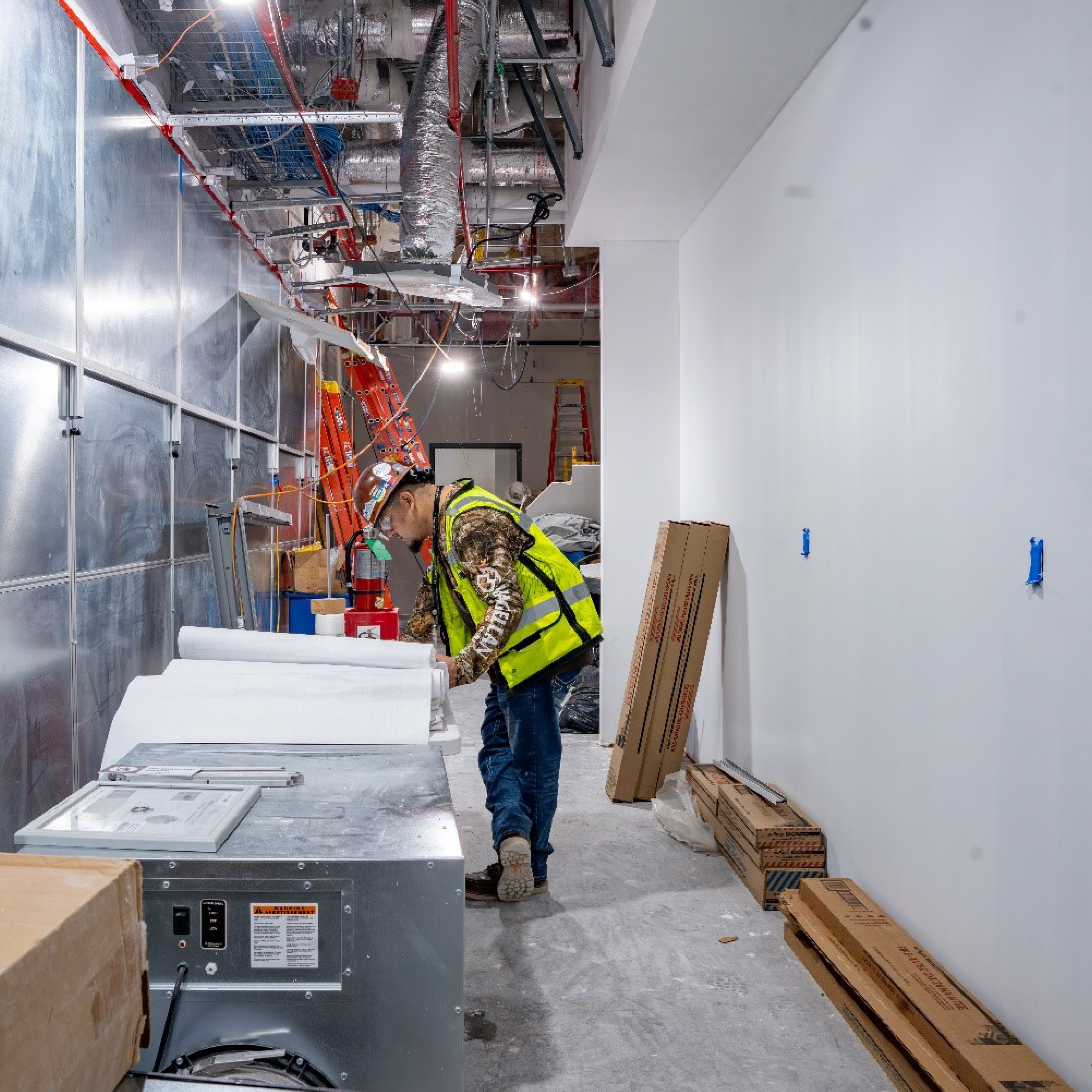
Renovating an operating healthcare facility requires careful planning around patients, providers, appointments, employees, equipment, and clinical operations. When project conditions permit, construction may be divided into phases or organized around approved working hours. Temporary protection, accessible temporary routes, noise, dust, utility interruptions, inspections, work-zone separation, and debris removal are considered before and throughout construction.
Why Healthcare Providers Choose Ascension Construction
Healthcare accessibility renovations require coordination between commercial building standards, approved plans, specialized trades, patient needs, equipment, inspections, and active clinical operations. Our team understands how these responsibilities affect one another and organizes the work in the proper sequence. This approach helps establish clearer expectations, maintain consistent communication, and move the renovation efficiently from pre-construction through final completion.
ADA Healthcare Contractors Serving Central Indiana
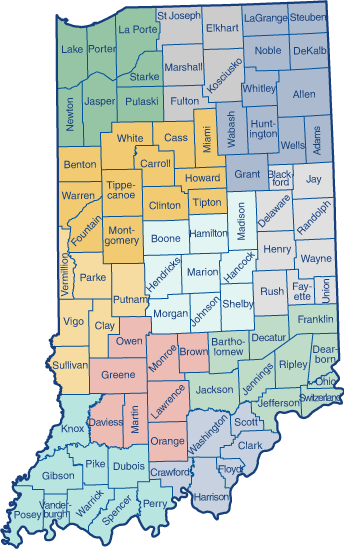
Ascension Construction provides ADA healthcare renovations, medical accessibility improvements, and clinic construction throughout Indianapolis and Central Indiana. Our service area includes Carmel, Fishers, Noblesville, Greenwood, Plainfield, Avon, Brownsburg, Fortville, and surrounding communities. For healthcare projects located elsewhere in Indiana, contact our team to discuss the facility, accessibility requirements, construction scope, anticipated schedule, and availability.










.svg)






.svg.webp)