What Does a Commercial General Contractor Actually Do?
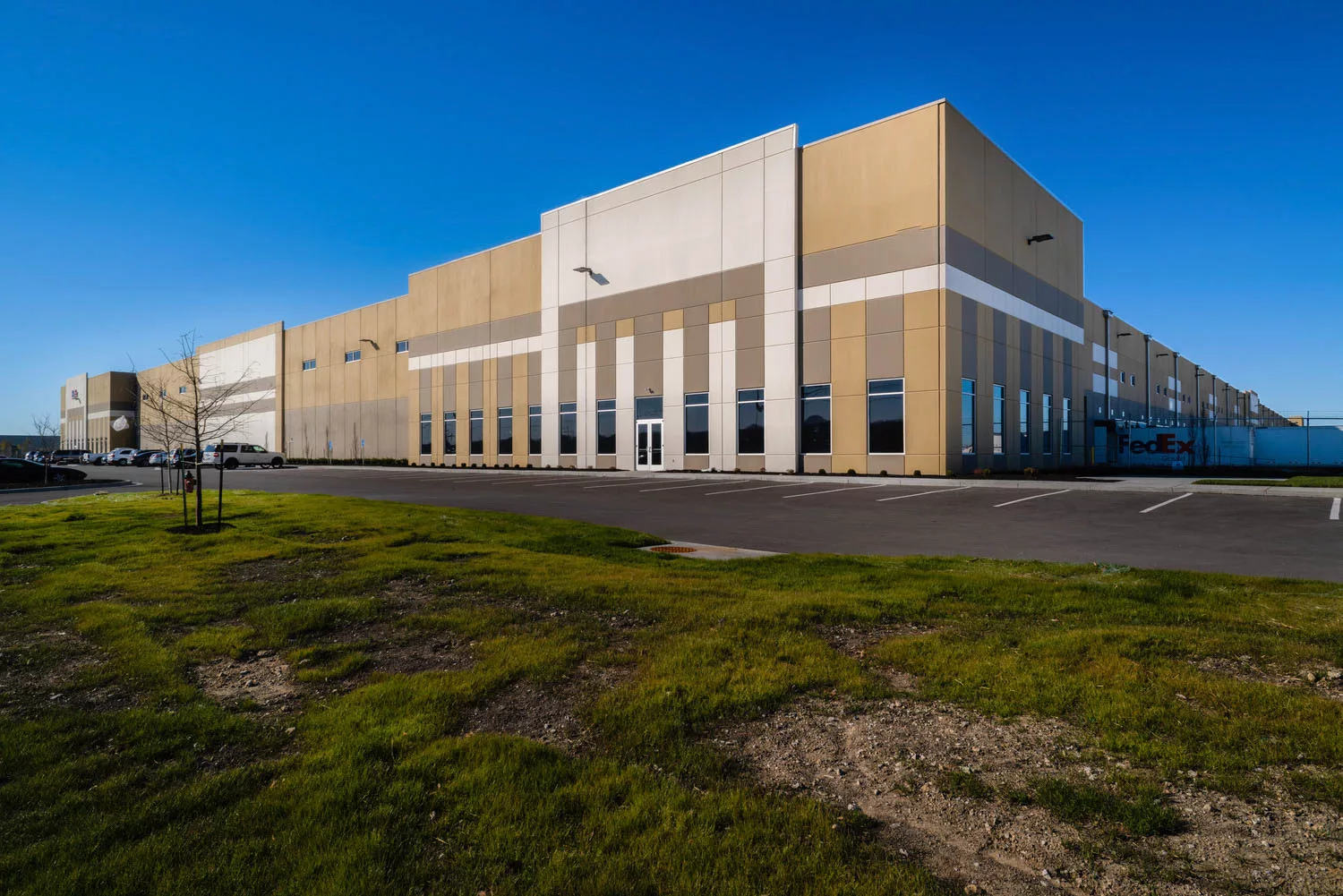
If you've ever wondered what a commercial general contractor does, the short answer is: everything you'd otherwise have to manage yourself. Picture this: you've signed a lease on a new commercial space, and now you're staring at a list of contractors you need to coordinate. There's an electrician, a plumber, an HVAC company, a framing crew, a flooring installer, and a permit office that keeps putting you on hold. Nobody talks to each other. Nobody owns the schedule. And somehow, that's your problem now. Many business owners never realize there's a single role built to handle all of this, and skipping it is expensive.
A commercial general contractor is the single point of accountability on a construction project. They plan it, permit it, coordinate every trade, manage the schedule, and hand you a finished space. Ascension Construction was built around exactly this model: one team manages every phase of a commercial project so the owner doesn't have to become a part-time construction manager. By the end of this article, you'll know exactly what a commercial GC does, what credentials to verify, how their fees work, and how to hire the right one for your project.
What a commercial general contractor does from day one through final walkthrough
The scope of a commercial general contractor starts long before anyone breaks ground and extends well past the day construction wraps. Most owners only see the middle of this process, which is why so many are surprised by everything a good GC is actually doing.
What a commercial general contractor does during preconstruction: planning and permits
Before any physical work begins, the GC reviews your drawings for constructability, builds a realistic project schedule, develops cost estimates, and starts the permitting process with local jurisdictions. This phase determines whether your project finishes on time and on budget. Rushing or skipping preconstruction is a frequent contributor to commercial projects running over on both time and budget.
Pulling permits means coordinating with the city or county building department, submitting the right documents, and tracking approvals so construction doesn't stall waiting on a bureaucratic bottleneck. Most owners don't realize how many moving pieces live in this phase until they try to manage it themselves.
Running the jobsite: subcontractor coordination and daily oversight
A commercial GC doesn't personally install the electrical wiring or hang the drywall. Their job is to coordinate every specialty trade, mechanical, electrical, plumbing, framing, finishes, and anything else the project requires. They sequence the trades so work happens in the right order, manage deliveries so materials arrive when the crew needs them, and resolve conflicts before they turn into delays.
The GC's superintendent walks the site every morning, runs coordination meetings, updates the short-term schedule, and keeps all parties aligned. When something goes wrong on site, the owner makes one call: to the GC. That's the entire point of the role.
The finish line: quality control, inspections, and project closeout
The final stretch of a project is where a great GC earns the relationship for your next one. This includes managing the punch list (the running list of incomplete or deficient items), coordinating final inspections with local officials, securing the certificate of occupancy, and walking the owner through the finished space. A thorough GC also delivers as-built documentation, operations and maintenance manuals, and warranty terms before they consider the job done. A reliable GC treats closeout as seriously as the first day of construction, that's the standard to hold any contractor to.
How a commercial GC differs from a construction manager, project manager, or specialty sub
These terms get used interchangeably, but they describe very different roles with very different obligations. Hiring the wrong one for your project creates gaps in accountability that cost real money.
GC vs. construction manager: who owns the delivery risk?
A general contractor contracts directly with the owner to build the project and carries full responsibility for delivering it. A construction manager typically advises during the planning phase and represents the owner's interests. In a CM-at-risk arrangement, the CM takes on more delivery responsibility under a guaranteed maximum price (GMP), but the practical distinction holds: a GC builds the project; a CM helps you plan and oversee it.
For most mid-size commercial projects, a GC is the appropriate choice. The CM model tends to appear on larger, more complex projects where an owner needs a dedicated planning advocate before a constructor is even selected.
Why a specialty subcontractor is not a substitute for a GC
A specialty subcontractor handles exactly one trade scope. Your electrician is responsible for the electrical work and nothing else. They have no obligation to coordinate with the plumber, manage the schedule, or make sure the framing is complete before the mechanical crew needs access. When you hire individual subs directly without a GC, you become the coordinator by default. Every scheduling conflict, every sequencing decision, every delay conversation lands on your desk.
This is the reason commercial general contractors exist. The coordination burden is enormous, and it belongs on someone whose entire job is managing it.
Licenses, bonds, and insurance: what to expect from any commercial GC
Before you sign anything, verify that the contractor has the credentials to do the work. This isn't about distrust; it's about protecting your project and your property.
Contractor licensing: what it means and why it varies by state
Most states require a contractor license to bid on commercial work, but requirements differ significantly. In Indiana, there is no single statewide general contractor license. Licensing is handled at the city and county level, meaning you need to verify credentials with the local building department where your project is located. Some jurisdictions also require a surety bond and local registration as part of that process.
Always verify that the GC's license is current, appropriate for your type of work, and valid in your jurisdiction. A license issued in one city doesn't automatically transfer to the next county.
Insurance and bonding basics every owner should understand
Three protections matter most. General liability insurance covers third-party bodily injury and property damage. Workers' compensation insurance covers workers injured on your site. A surety bond provides financial protection if the contractor fails to meet their contractual obligations. Ask for certificates of insurance before work begins, and make sure your project is named as an additional insured on the GC's general liability policy. Reputable GCs provide these documents on request; if a contractor hesitates, ask follow-up questions or verify coverage directly with the insurer.
How commercial GC fees and markups actually work
Understanding how a GC prices a project helps you evaluate bids and avoid surprises. These numbers aren't arbitrary; they reflect real costs and legitimate risk.
Lump sum vs. cost-plus: the most common contract types
A lump-sum contract sets the price upfront. You know the number before construction starts, and the GC absorbs cost risk if things run over. A cost-plus contract pays the GC's actual costs plus an agreed fee, giving you more transparency but less budget certainty. For larger commercial work, a CM-at-risk or GMP structure adds a ceiling to cost-plus pricing, combining transparency with a cost cap.
On hard-bid lump-sum work, GC fees typically run 3% to 8% of project cost. On negotiated or design-build projects, fees generally fall in the 5% to 10% range, though the negotiated band often lands closer to 4% to 7% depending on project complexity and scope. These are planning benchmarks, not guarantees; your specific project will move the number.
What general conditions and contingency actually cover
The GC fee isn't the only cost above raw trade work. General conditions cover the operational costs of running the jobsite: superintendent time, temporary utilities, dumpsters, safety equipment, and site logistics. These typically run 6% to 10% of project cost and are a real, legitimate expense. Contingency is a budget reserve for unknowns, usually 3% to 5% on standard projects and 5% to 10% on more complex or higher-risk work.
When you see these line items in a proposal, they aren't hidden charges. They're the cost of managing a project properly.
The right way to vet and hire a commercial general contractor
The hiring conversation is your biggest opportunity to separate a capable GC from one who will cause problems six months into your project. Use it.
Questions worth asking before you sign anything
Start with the basics: Are you licensed, bonded, and insured for this type and size of work in my jurisdiction? From there, go deeper. Who is my day-to-day point of contact on site, and who is the superintendent? How do you handle change orders and cost overruns, and what does that process look like in writing? Which subcontractors do you plan to use, and how do you vet them? What does your closeout and warranty process look like after the certificate of occupancy is issued?
A GC who answers these questions confidently and specifically is a GC who has done this before. Vague answers to direct questions are a signal worth taking seriously.
Documents every GC should hand over upfront
Before you award a contract, request the following from any GC you're considering:
- License verification and local registration information
- Insurance certificates showing general liability and workers' compensation, with you named as additional insured
- Bonding information and surety capacity
- References from recent, similar projects
- A detailed scope narrative that clearly states inclusions, exclusions, and assumptions
- A draft contract and change order procedure
- A baseline project schedule with milestones
An experienced, organized GC has all of this ready. A contractor who hesitates, deflects, or provides incomplete documentation is showing you something important before the project even starts.
Why one accountable team makes the whole project easier
Hiring a GC isn't an added expense, the alternative to not having one carries its own costs, and they're almost always higher than the GC's fee.
The cost of coordinating trades yourself
When a business owner tries to manage multiple specialty subcontractors without a GC, the problems compound quickly. Trades show up out of sequence. No single contractor owns the schedule, so delays become everyone's excuse. Permits get missed because nobody is tracking them. Defects fall into a gray zone where each sub blames the other. A project that looked like a four-month job on paper can stretch considerably longer, with the owner absorbing every delay in lost revenue, extended rent on a temporary space, or a delayed opening date.
The GC's fee is real, but so is the cost of not having one.
How Ascension Construction manages commercial projects end to end
Ascension Construction is an Indianapolis-based commercial general contractor serving businesses across Central Indiana. Their work spans the complete project lifecycle, from preconstruction planning, budgeting, and permitting through full subcontractor coordination across all major trade scopes, inspections, and final closeout. Their clients include office tenants, medical and dental practices, retail operators, restaurant owners, and industrial property owners. Each client works with one accountable team rather than managing a rotating cast of contractors on their own.
If you're planning a commercial build-out, renovation, or new construction project in Indianapolis or the surrounding area, Ascension Construction is structured to manage every phase so you can stay focused on running your business.
What you now know about commercial general contractors
Now that you understand what a commercial general contractor does, you're in a stronger position to hire one. A commercial GC does far more than run a jobsite: they plan the project before construction begins, pull permits, coordinate every specialty trade, manage the schedule and budget, enforce quality standards, and close out the project with full documentation and warranty support. They are the single point of accountability from the first drawing review to the final walkthrough.
Understanding the full scope of commercial general contractor responsibilities before you hire puts you in a much stronger position to ask the right questions, evaluate proposals accurately, and recognize the contractor who is genuinely equipped to deliver your project. The questions and documents covered in this article give you a practical checklist to use in any hiring conversation.
If you're in Indianapolis or Central Indiana and ready to start a commercial project, reach out to Ascension Construction . One team handles every phase and communicates clearly from start to finish.





.svg.webp)