Why Commercial Bathrooms Fail Without Proper Waterproofing
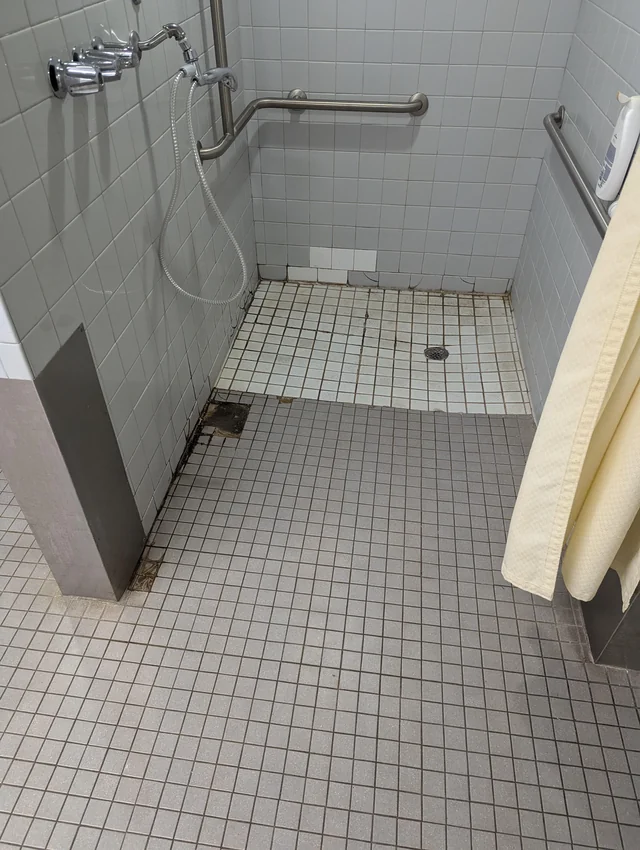
Commercial restrooms experience some of the highest levels of daily use within a facility.
From healthcare clinics and hospitals to restaurants, office buildings, schools, hotels, and retail spaces, these environments are exposed to constant moisture, cleaning chemicals, and heavy foot traffic.
Unfortunately, many restroom failures originate from one overlooked issue: inadequate waterproofing.
While tile, fixtures, and finishes may appear attractive on the surface, hidden moisture intrusion can slowly damage the building structure underneath.
Commercial Restrooms Are High-Risk Areas
Unlike most spaces within a building, commercial bathrooms experience daily exposure to:
- Water splashing
- Frequent cleaning
- Humidity
- Plumbing connections
- Floor drain activity
- Chemical cleaning agents
Over time, these conditions place significant stress on building materials.
Without proper waterproofing, water eventually finds its way beneath finished surfaces.
Tile Is Not Waterproof
One of the biggest misconceptions in commercial construction is that tile provides waterproof protection.
Tile itself may resist water, but grout joints remain vulnerable to moisture penetration.
Water can migrate through grout, cracks, and joints and reach the underlying substrate.
Without a waterproof membrane beneath the finish system, moisture enters wall and floor assemblies.
Hidden Damage Beneath the Surface
Commercial restroom renovations frequently uncover:
Mold Growth
Moisture trapped beneath flooring and behind walls creates conditions ideal for mold development.
Rusted Metal Framing
Metal studs exposed to long-term moisture often corrode and weaken.
Deteriorated Wall Systems
Drywall and backing materials break down when exposed to continuous moisture.
Subfloor Damage
Wood and composite subfloors can swell, rot, and lose structural integrity.
Healthcare and Restaurant Facilities Face Greater Risks
Facilities operating under strict health regulations face additional challenges.
Water intrusion can affect:
- Infection control efforts
- Indoor air quality
- Facility compliance
- Patient and customer experience
For these facilities, waterproofing is not merely a construction concern—it is an operational necessity.
What Proper Waterproofing Includes
A professionally designed commercial restroom should incorporate:
- Waterproof floor membranes
- Waterproof wall assemblies
- Proper floor slopes
- Drainage systems
- Expansion joint protection
- Penetration sealing
- Moisture-resistant substrates
These systems work together to prevent water from reaching vulnerable building components.
Investing in Long-Term Performance
Commercial restroom failures rarely happen overnight.
Most develop slowly over several years before visible signs appear.
By the time tile cracks, paint peels, or odors develop, significant hidden damage may already exist.
Investing in proper waterproofing during construction or renovation helps reduce maintenance costs, minimize disruptions, and protect the long-term value of the property.
At Ascension Construction, we specialize in commercial renovations, healthcare facility upgrades, restaurant construction, and moisture-prone environments where durability, code compliance, and long-term performance matter most.
https://costarchem.com/2026/02/17/why-bathrooms-and-wet-areas-fail-first-in-buildings/
https://www.unitedcityny.com/latest-construction-articles/5-common-commercial-bathroom-problems





.svg.webp)