Retail Tenant Improvements: What Business Owners Need to Know Before Signing a Lease
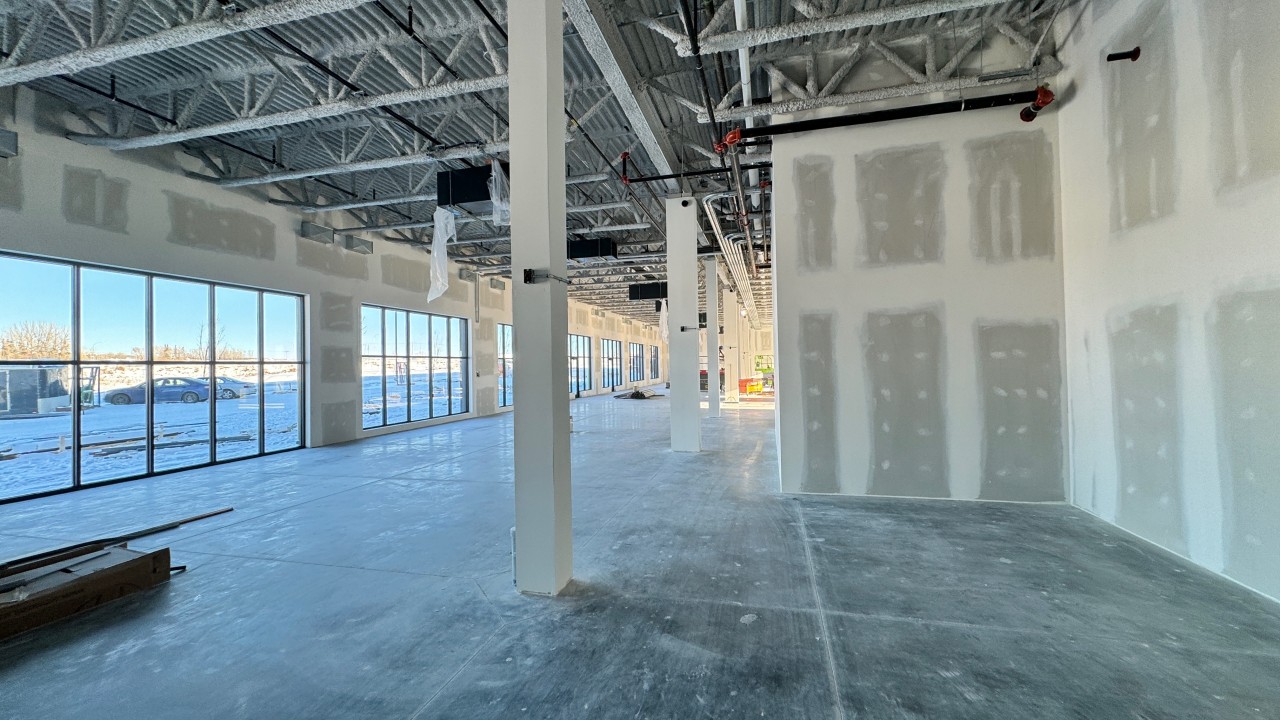
Opening a new retail location is exciting, but many business owners underestimate the amount of construction work required before they can open their doors. Whether you're launching a boutique, restaurant, salon, fitness studio, convenience store, or national franchise, understanding retail tenant improvements (TI) can save significant time, money, and frustration.
At Ascension Construction, we've seen business owners sign leases believing they can move in within a few weeks, only to discover extensive construction, permitting, and code compliance requirements. Understanding the tenant improvement process before signing a lease can help avoid costly surprises.
What Are Retail Tenant Improvements?
Tenant Improvements (TI) refer to modifications made to a commercial space so it can accommodate a tenant's business operations. Most retail spaces are delivered as shell spaces or former tenant spaces that require customization before opening.
Common retail tenant improvements include:
- Interior demolition
- New partition walls
- Storefront modifications
- Flooring installation
- Ceiling work
- Lighting upgrades
- Plumbing installations
- HVAC modifications
- Electrical upgrades
- ADA accessibility improvements
- Restroom renovations
The extent of these improvements varies depending on the type of business occupying the space.
Understanding Tenant Improvement Allowances
Many commercial landlords offer a Tenant Improvement Allowance (TIA), which is a contribution toward construction costs.
While this can significantly reduce upfront expenses, business owners should carefully review lease agreements because TI allowances often come with restrictions, reimbursement requirements, and approval processes.
Before signing a lease, ask:
- How much is the TI allowance?
- Is it paid upfront or reimbursed?
- What improvements qualify?
- Who manages construction?
- What approvals are required?
These details can have a major impact on project timelines and cash flow.
Hidden Costs Many Retail Tenants Overlook
One of the most common mistakes we see is budgeting only for cosmetic improvements.
Many retail spaces require upgrades that are not immediately visible during initial walkthroughs.
Potential hidden costs include:
Electrical Upgrades
Older retail spaces may not have sufficient electrical capacity for modern equipment, lighting, displays, or point-of-sale systems.
HVAC Modifications
Existing HVAC systems may be undersized, outdated, or improperly configured for your business operations.
Plumbing Work
Restaurants, salons, and healthcare-related retail spaces often require extensive plumbing modifications.
Fire Protection Systems
Sprinkler systems, fire alarms, and emergency lighting frequently require updates to meet current codes.
Accessibility Compliance
ADA requirements can trigger restroom modifications, ramp installations, door upgrades, and path-of-travel improvements.
Why Permits Matter
Many tenants assume they can begin construction immediately after signing a lease.
In reality, permits, plan reviews, inspections, and approvals can significantly affect timelines.
Depending on the municipality and project scope, permits may require:
- Architectural drawings
- Engineering calculations
- Mechanical plans
- Electrical plans
- Plumbing plans
- Fire protection reviews
Failing to plan for permitting can delay openings by weeks or months.
Choosing the Right Retail Contractor
A retail contractor should do more than simply build walls and install finishes.
The right contractor should understand:
- Commercial permitting
- Occupancy classifications
- ADA requirements
- Utility coordination
- Scheduling around opening deadlines
- Budget management
An experienced retail contractor helps identify issues before construction begins, reducing costly change orders and delays.
Final Thoughts
Retail tenant improvements play a critical role in the success of every new location. Business owners who understand the construction process before signing a lease are far more likely to stay on budget and open on schedule.
Whether you're opening a boutique storefront, restaurant, medical retail space, salon, or franchise location, proper planning and experienced construction management can make the difference between a smooth opening and a costly delay.
At Ascension Construction, we help Indiana businesses navigate retail build-outs, tenant improvements, and commercial renovations from planning through final inspections.
https://www.tawashalaw.com/tools/5-considerations-commercial-tenant-sign-lease
https://prestige360design.com/blog/what-to-check-before-signing-commercial-lease/





.svg.webp)