Renovating an Existing Rehab Center Without Disruption
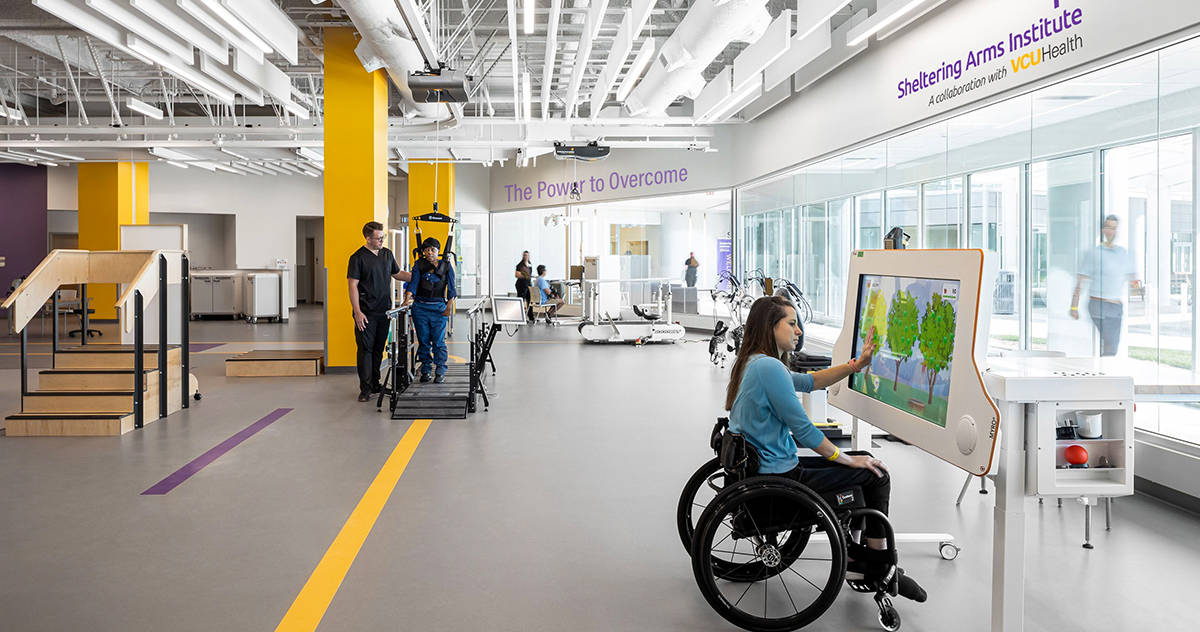
If you're evaluating contractor services for renovating an existing rehab center, the central challenge isn't the construction itself, it's keeping a licensed clinical facility running while the work happens around it. Your team is managing care plans, group sessions, and patient check-ins while a crew is demoing walls two rooms away. That tension is real, and it doesn't resolve itself with good intentions alone. It resolves with the right contractor, a solid phasing strategy, and a clear understanding of the compliance requirements that govern this specific type of facility.
This guide walks you through what makes occupied rehabilitation facility renovations genuinely different from standard commercial work, what compliance layers you need to plan around, how to phase construction so patient care continues uninterrupted, and what to look for when selecting a contractor who actually knows this space. Whether you're updating a behavioral health clinic or expanding an outpatient SUD treatment center, the decisions you make before the first permit gets pulled will determine how smooth this project runs.
Why rehab facility renovations are in a category of their own
The population inside a behavioral health or substance use disorder treatment center responds to construction disruption differently than employees in a corporate office. Noise, unfamiliar workers on-site, and disrupted common areas are not just comfort concerns here, they are clinical variables. A delayed group therapy session or a relocated counseling room is a break in the care plan, and that carries real operational and patient-experience consequences for people in active recovery.
The regulatory environment adds another layer of complexity that most general contractors don't anticipate. Behavioral health and SUD facilities operate under state DMHA licensing, federal oversight from CMS if they bill Medicare or Medicaid, and, for SUD programs specifically, 42 CFR Part 2 confidentiality rules that extend into physical space design and IT infrastructure. When you renovate without accounting for these regulations, you risk triggering a licensing review or a compliance flag that stops construction and disrupts operations far more than the renovation itself would have.
The physical-space implications of 42 CFR Part 2 are particularly underappreciated. The regulation requires secure storage for patient records, including designated secure rooms, locked file cabinets, and climate-controlled storage for electronic backups. That means your renovation scope has to account for server room placement, IT infrastructure routing, and staff workspace design. These are operational planning decisions, not just construction ones, and they need to be made before design finalization. Experienced contractor services for renovating existing rehab centers will flag these requirements during pre-design, not after permits are pulled.
Compliance requirements that will shape your renovation scope
Most rehab facility operators expect to deal with ADA requirements and fire code during a renovation. What catches them off guard is how HIPAA, 42 CFR Part 2, and Indiana state licensing interact to define what can and cannot be built. Understanding these layers upfront prevents expensive redesigns mid-project.
On the ADA side, any renovation that touches group therapy rooms, individual counseling spaces, restrooms, or entry paths triggers a full accessibility compliance review under ADA alteration rules, specifically the path-of-travel requirements that apply when primary function areas are modified. Group therapy rooms need a 60-inch diameter turning radius and 30-by-48-inch clear floor space at treatment tables. Restrooms require grab bars, accessible fixtures, and a full turning space.
Door widths must provide at least 32 inches of clear passage, operable with no more than five pounds of force. Parking areas serving patient populations require accessible space ratios consistent with applicable ADA standards and local code, confirm the exact percentage with your contractor and authority having jurisdiction, since requirements vary by facility type and total space count. These aren't optional upgrades; they're baseline requirements for any renovation touching primary function areas.
HIPAA does not mandate soundproofing or private rooms as a renovation requirement. What it does require is that the physical environment supports secure handling of electronic health records and telehealth infrastructure. For SUD facilities, 42 CFR Part 2 requires physical and digital segmentation of patient records, which translates directly into construction decisions about server room security, network infrastructure routing, and the placement of workstations where patient records are accessed.
In Indiana, behavioral health and SUD treatment facilities undergoing major renovations must coordinate with the Division of Mental Health and Addiction (DMHA) before local permits are issued. A new license is generally not required if the service scope and capacity remain unchanged, but the renovation may trigger a compliance inspection, particularly if it affects safety systems, therapy space configuration, or program structure. Facilities must also complete a Safety Risk Assessment per the Facility Guidelines Institute guidelines, evaluating patient injury and suicide risk in any areas serving at-risk populations. Contact DMHA early and document everything.
Phasing strategies from experienced rehab facility contractor services
Phasing is where an occupied rehab renovation either holds together or unravels. The goal is to limit the active construction footprint at any given time, so patients and staff are never navigating a facility in crisis. Done right, construction becomes background noise. Done wrong, it becomes the crisis.
Wing-by-wing sequencing
Wing-by-wing sequencing works for larger facilities with enough internal space to relocate patients. The approach is straightforward: complete one full wing before starting the next, so residents always have access to functioning common areas in the unaffected section. This model minimizes the number of transitions patients experience and keeps clinical programming intact throughout construction.
Zone-by-zone sequencing
Zone-by-zone sequencing works better for smaller centers, where construction is broken into four-to-six-room increments that move through the building sequentially. This keeps disruption contained to a tight footprint while the rest of the facility operates normally. Either model requires isolating MEP systems so mechanical, electrical, and plumbing shutdowns affect only the active construction zone, the rest of the facility stays fully operational.
Pair that with off-hours scheduling for high-impact work: demolition, HVAC tie-ins, and heavy drilling happen during evenings and weekends, so group therapy still runs on Tuesday while framing is happening two rooms away.
A few operational details protect the facility throughout the process. Indiana requires a 30-day resident notice before starting work in occupied residential units, confirm the specific applicability to your program type with DMHA or your legal counsel, since this requirement may vary by license category. Maintain a contingency reserve of 10 to 15 percent of hard costs because occupied-facility surprises are not rare; they're predictable. Establish a single point of contact for staff and patient questions so that information flows consistently and doesn't create its own disruption. These aren't afterthoughts. They're what keeps a phased project from becoming a licensing complaint.
Infection control protocols your contractor must follow
An occupied rehab facility isn't just a healthcare environment in spirit. It's regulated as one, and your contractor needs a working knowledge of infection control risk assessment, not a surface-level familiarity with it. The ASHE ICRA 2.0 qualification is the benchmark. While not yet federally mandated for all facility types, ICRA 2.0 is increasingly required by healthcare systems and state inspectors, and ASHE has documented its adoption across a growing range of clinical renovation contexts. It signals genuine competence to your licensing body.
The ICRA 2.0 framework classifies construction activities by patient risk level and assigns a corresponding precaution class. For behavioral health facilities, patients are typically classified as high-risk under the updated framework, which means most renovation activities will require Class IV or Class V precautions. Those classes mandate full enclosures, negative air pressure systems, HEPA filtration, real-time air pressure monitoring, and daily cleanup protocols. An ICRA 2.0-qualified contractor, the kind of specialized credential you should require from any medical facility renovation service, knows how to execute this and document it, which matters when your licensing body asks for records.
On the HVAC side, renovation zones must maintain proper airflow separation from occupied patient areas. Protected HVAC returns, sealed work zones, and temporary dust barriers are baseline requirements. ASHRAE 170 air exchange standards may apply to renovation zones and therapy spaces, depending on scope. HEPA filtration in portable air purifiers and VAV system upgrades are commonly required during construction, not just at final inspection. Your contractor should be specifying these measures before breaking ground, not responding to an inspection citation afterward.
What a rehab facility renovation actually costs in 2026
Healthcare facility retrofits in 2026 run between $235 and $400 per square foot for general facilities, with specialized or technologically complex spaces reaching $350 to $440 per square foot. These ranges reflect current construction cost data and should be validated against your specific scope and regional market conditions with your contractor or a qualified estimator. Outpatient and behavioral health facilities typically land in the mid-range of those benchmarks. Indiana's market is more affordable than coastal metros, but the compliance requirements specific to occupied healthcare renovations add roughly 15 to 25 percent to base construction costs. ICRA containment setup, off-hours labor premiums, phasing overhead, and licensing inspection fees are real line items that experienced operators build into the budget from day one.
For a 5,000 to 15,000 square foot facility, plan for a 12-month construction timeline with a total project duration of 15 to 18 months from planning through occupancy. That range accounts for DMHA coordination, permitting, phased construction, commissioning, and life-safety inspections. Trying to compress that timeline in an occupied clinical environment is where projects get into trouble.
The hidden cost drivers that catch operators off-guard include temporary space reconfiguration for displaced therapy rooms, infection control containment setup costs, off-hours labor premiums, and the contingency reserve for occupied-facility surprises. Budget for these line items explicitly. Operators who do run smoother projects with fewer emergency decisions mid-construction.
Choosing contractor services for renovating your existing rehab center
Not every commercial contractor is equipped for an occupied rehab renovation. The difference between a general commercial contractor and a healthcare-qualified one becomes apparent at inspection time, not during the sales pitch. When you're evaluating candidates, look for the Certified Health Care Constructor (CHC) designation, ASHE ICRA 2.0 qualification, and EPA Lead RRP certification if your building predates 1978. These credentials signal that the contractor has been trained specifically for the regulatory and operational demands of healthcare construction work.
Add OSHA documentation and current state licensing as baseline requirements before you even schedule a conversation. When reviewing a healthcare renovation contractor portfolio, ask to see completed projects in occupied clinical environments, not just finished product photos, but documentation of phasing plans and infection control records. For reference on vendor and contractor credentialing best practices during campus or multi-site renovations, review guidance on vendor and contractor credentialing.
Before signing a contract, ask every candidate these questions:
- Can you share examples of occupied healthcare or behavioral health renovations you've completed?
- How do you handle ICRA compliance and documentation during active construction?
- Who on your team holds the CHC or ICRA 2.0 credential?
- How do you structure phasing to protect licensed facility operations?
- What's your process for coordinating with the state health department during and after construction?
The answers to those questions tell you more than a portfolio presentation will. A contractor who has done this work knows exactly how to respond. One who hasn't will be vague about the details that matter most to your licensing body and your patients.
For Indiana behavioral health and SUD facility operators evaluating local options, Ascension Construction is an Indianapolis-based commercial and healthcare construction contractor with over 30 years of combined team experience, including ADA-compliant and infection-control-focused renovations in occupied clinical environments. The team brings working knowledge of Central Indiana permitting, Indiana building codes, and DMHA coordination, the regional specifics that matter on a behavioral health or SUD project but that many general contractors haven't had to navigate. From phased behavioral health clinic remodels to full Outpatient Facility Renovations Indianapolis, Ascension builds around patient care, not over it. See case studies on Renovating Outdated Clinics for Today's Healthcare Standards and guidance on Healthcare Tenant Improvements: A Complete Guide for more context on occupied clinical projects and documentation expectations.
The decisions that determine how this project goes
Renovating a rehab center while patients are still in active treatment is achievable. It's done successfully across Indiana every year. But it requires a specific kind of contractor, a specific kind of planning, and a clear understanding of the compliance environment before a single wall gets opened up.
Start by understanding the regulatory layers specific to your facility type: ADA, HIPAA, 42 CFR Part 2 if you serve SUD patients, Indiana DMHA notification requirements, and CMS oversight if you bill Medicare or Medicaid. Plan phasing as an operational strategy, not just a construction sequence. Verify your contractor's healthcare credentials before signing anything, and build a budget that reflects the real cost of an occupied, compliance-heavy renovation.
If you're an Indiana rehab facility operator ready to start planning, reach out to Ascension Construction to discuss your project. As a contractor experienced in rehab facility renovations for existing centers, Ascension can help you build a timeline, a phasing plan, and a compliance checklist your patients, your staff, and your licensing body can all work with.





.svg.webp)