Company Construction, Indiana
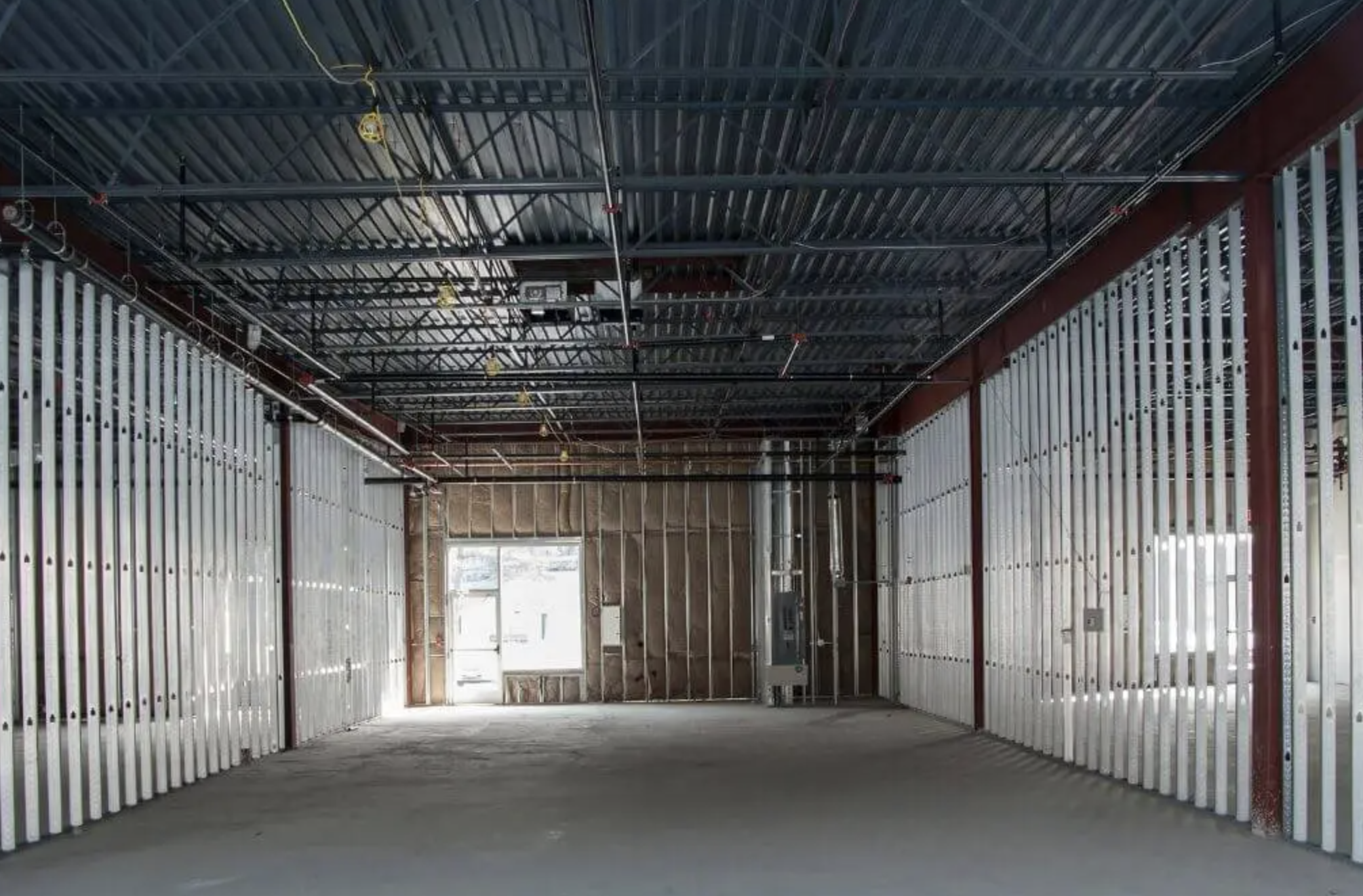
When you're searching for a construction company near me, or more precisely, near your project site, you expect clarity. Instead, you get a list of many firms, all claiming to be the most trusted name in the area, and most of them you've never heard of. It's overwhelming, and the stakes are high enough that picking the wrong one isn't just an inconvenience. It can mean failed inspections, drawn-out timelines, surprise costs, and legal headaches that fall entirely on you as the property owner.
The good news is that there's a clear process for cutting through the noise. Knowing where to search, what to verify, what questions to ask, and how to compare bids side by side puts you in control before a single contract gets signed. This guide walks you through exactly that, with a specific focus on commercial and healthcare projects where the stakes are even higher than a standard renovation.
How to Find a Construction Company Near Me: Where to Start Your Search
Google Business Profile and Google Maps are the right starting point, but don't just scan star ratings. Look at how recently the company has posted photos, whether they respond to reviews, and what project categories they list. A contractor whose profile hasn't been updated in over a year may not reflect their current team or capacity. That activity level tells you something real about how they operate.
For residential-leaning projects, platforms like Angi, Thumbtack, and Houzz surface vetted local options quickly. For commercial contractors near me, The Blue Book and ConstructConnect are well-established industry directories where qualified firms actively list their capabilities and bid history. These platforms filter for scale and specialization in a way that general consumer marketplaces don't.
Referrals from local business owners often carry more weight than aggregate review scores when you need genuine signal. If a peer recently completed a restaurant build-out or an office renovation, their contractor recommendation is grounded in lived experience, especially if that contractor navigated local permitting without stumbling. That detail alone separates a regionally embedded firm from one that's just ranking in your city because they list a satellite office there.
How to Verify Credentials Before You Schedule a Single Meeting
In Indiana, general contractor licensing works differently than in many other states. There isn't one statewide license database for all general contractors; for most commercial GC work, verification runs through the local city or county building department. In Indianapolis and Marion County, that means checking through the Department of Business and Neighborhood Services. For state-licensed trades like plumbing, electrical, and HVAC, you can use the PLA license verification portal at IN.gov to confirm active status, expiration dates, and any disciplinary history.
Match what you find to the scope of your project. A general contractor license doesn't automatically cover all specialty trade work, so confirm how subcontractors are licensed and supervised. If you're working in a specific city or county, also check whether local registration requirements layer on top of state-level credentials. Some jurisdictions add that step, and a contractor unfamiliar with the area may not even know it applies.
What Your Certificate of Insurance Should Show
For insurance, request a Certificate of Insurance that shows the contractor's legal business name, active coverage dates, general liability limits (at minimum $1M per occurrence and $2M aggregate, which aligns with standard commercial project requirements), and workers' compensation coverage. Don't stop there: call the insurer directly using contact information from their official website to confirm the policy is currently active. A COI is a snapshot, not a guarantee, and policies can lapse after the document is issued.
What a Contractor's Portfolio Actually Tells You About Fit
A polished photo gallery is not the same as relevant experience. What you're looking for is whether the contractor has successfully completed projects of similar scale, use type, and complexity to yours. A firm that has finished a dozen retail build-outs but no medical offices is a different animal than one that routinely handles infection-control renovations and clinical workflow design. Both may have strong portfolios; only one is actually the right fit for your project.
Ask for examples from recent projects, ideally completed within the past 12 to 18 months. A portfolio heavy with older work may not reflect the current team's capability, particularly if the company has changed in size, staffing, or focus. For commercial and healthcare work, you want to see code-compliant, purpose-built spaces, not generic interior renovations that could have been completed by any residential remodeling contractor.
Why Local Project History Matters
Local project history matters more than most clients realize. A contractor who built a similar facility in another state doesn't automatically know how Indiana's plan review process works, what the health department requires locally, or how the Marion County inspection office operates day to day. Ask directly: "What percentage of your recent projects were completed within this city or county?" The answer tells you where their operational depth actually lives, not just where they're willing to travel.
Why Local Permitting Knowledge Separates Regional Experts from Everyone Else
Permitting timelines in Indianapolis vary depending on project type, scope, and whether state Construction Design Release (CDR) is required. As of 2026, commercial new construction and remodel applications receive a same-day first review from Indianapolis BNS, but that doesn't account for correction cycles. The state CDR step, which is required for Class 1 commercial structures, typically runs 15 to 20 business days for initial review, with additional time for revisions. A contractor who has worked in this market for years builds those cycles into the schedule automatically. One who hasn't will underestimate the timeline and pass that problem on to you.
Local general contractors also bring established relationships with inspectors, specialty subcontractors, and material suppliers whose reliability is already proven. That network is not something you can replicate by hiring a firm from outside the region and hoping for the best. Ascension Construction has operated continuously in the Indianapolis and Central Indiana market, accumulating hands-on permitting and inspection experience across commercial and healthcare projects. An out-of-state or distant firm has to learn the local landscape at your project's expense.
When you're evaluating any contractor, ask these two questions directly: "Have you pulled permits in this city within the last 12 months?" and "Can you walk me through what the permitting timeline looks like for a project like mine?" A contractor with genuine local experience will answer both without hesitation and with specifics. One who hasn't worked here recently will give you vague estimates or tell you they'll figure it out after you hire them.
Questions to Ask and Red Flags That Should Make You Pause
Your first consultation should answer several non-negotiable questions. Who manages the job site day to day, and if subcontractors are used, how are they vetted and supervised? How are change orders handled, and what triggers one? What does the payment schedule look like, and does it require a large upfront payment before any work begins? Who is responsible for pulling permits, scheduling inspections, and ensuring code compliance at every phase? These aren't optional details, they're the structural questions that determine how the project actually runs.
Certain warning signs should stop the conversation entirely. Any contractor who suggests skipping permits to save time or money is handing you a liability that doesn't disappear after the project ends. Code violations, safety problems, and resale complications all fall on the property owner, not the contractor who suggested cutting corners. Walk away.
Other red flags to watch for include:
- No written contract or a vague scope that doesn't spell out exclusions
- Bids that sit far below all other estimates without a clear explanation
- Pressure to sign quickly or make decisions in the same meeting
- Reluctance to provide references from recent, comparable projects
- No consistent local business presence, no physical address, or a pattern of name changes
Patterns in online reviews matter more than individual complaints. Isolated bad reviews happen to legitimate companies. Repeated mentions of missed deadlines, surprise cost increases, poor communication, or abandoned work after payment suggest a systemic problem. Read the reviews looking for patterns, not just the overall score.
The Bid Comparison Checklist for Local Contractors Near Me
Comparing bids at face value is almost always misleading. One bid may include permits while another doesn't. One may itemize materials while another uses a blanket allowance. Before you can meaningfully compare numbers, every bid needs to address the same categories: scope of work detail, materials and allowances, subcontractor plan, permit and inspection responsibility, payment schedule structure, change order process, warranty terms, and a project timeline that includes planning, permit review, and construction phases.
Use this checklist to evaluate each bid on equal footing before making any decision:
- License number verified through state or local lookup: yes or no
- Active Certificate of Insurance confirmed directly with the insurer: yes or no
- Bid includes a detailed written scope with inclusions and exclusions: yes or no
- Permit responsibility clearly assigned to the contractor: yes or no
- Payment schedule is milestone-based, not front-loaded: yes or no
- References from a similar project type provided and contactable: yes or no
- Local project history in this city or county within the last 12 months: yes or no
- Change order process defined in writing: yes or no
- Timeline includes planning, permit review, and construction phases: yes or no
- Warranty terms are specific, not vague: yes or no
A bid that checks every box is worth more than the lowest number on the page. A contractor who can confirm all ten items before you sign is demonstrating the kind of operational discipline that protects your project from the moment work starts to the day punch-list items get closed out. Bids that skip these components often look cheaper upfront but create the cost overruns and delays that derail projects mid-stream.
Making the Right Call for Your Project
Finding a qualified construction company near me, or near your specific project site in Indiana, takes more than a quick search. It takes a deliberate evaluation process that protects your investment before a single permit application gets filed.
The contractor who has worked in your specific market, understands your city's permitting process, and already has relationships with local inspectors and subcontractors is the one most likely to deliver on time and on budget. That local operational depth isn't a bonus feature. It's the difference between a project that runs smoothly and one that loses weeks to avoidable corrections.
For business owners and healthcare operators in Central Indiana, Ascension Construction brings exactly that combination: regional knowledge built through commercial and healthcare construction projects across Indianapolis and the surrounding area, with hands-on experience covering everything from tenant fit-outs to infection-control medical renovations. Use the checklist above, ask the hard questions, verify the credentials, and hire the contractor who earns the work on substance. When you're ready to move forward with a company construction near me search in Indiana, that's the standard worth holding to.





.svg.webp)