Common Infection Control Mistakes During Medical Renovations
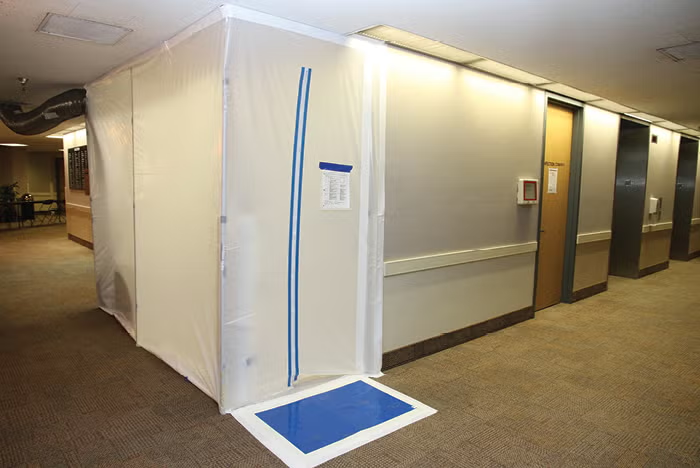
Healthcare facilities are unique construction environments. Unlike traditional commercial buildings, hospitals, clinics, medical offices, outpatient centers, and healthcare campuses must continue protecting patients, staff, and visitors while renovation work takes place.
One of the biggest risks during healthcare construction is the spread of dust, contaminants, airborne particles, and microorganisms into occupied patient areas. Even routine renovation activities such as demolition, drywall removal, ceiling work, flooring replacement, or mechanical upgrades can create infection control concerns if proper precautions are not implemented.
Unfortunately, many healthcare renovation projects experience avoidable problems because infection control planning is overlooked or improperly executed. Understanding these common mistakes can help facility owners reduce risk, maintain compliance, and protect patient safety throughout construction.
Why Infection Control Matters During Healthcare Construction
Construction activities naturally generate dust, debris, and airborne particles. While this may not present a significant concern in standard office renovations, healthcare environments require a much higher level of protection.
Patients undergoing treatment often have weakened immune systems, making them more susceptible to airborne contaminants. Even small amounts of construction dust can introduce bacteria, fungal spores, and other particles into occupied spaces.
Healthcare construction projects must be carefully managed to minimize disruption while maintaining a safe environment for patients and staff.
Mistake #1: Failing to Perform an Infection Control Risk Assessment (ICRA)
One of the most common mistakes occurs before construction even begins.
Many facilities underestimate the importance of conducting an Infection Control Risk Assessment (ICRA).
An ICRA helps identify:
- Patient risk levels
- Construction activity classifications
- Containment requirements
- Air filtration needs
- Work area isolation requirements
- Cleaning protocols
Without a proper assessment, facilities may implement inadequate protection measures that leave patients vulnerable to contamination.
Mistake #2: Inadequate Dust Containment
Construction dust is one of the largest infection control concerns during healthcare renovations.
Many contractors mistakenly rely on temporary plastic sheeting or incomplete barriers that fail to fully isolate the work area.
Effective containment systems often include:
- Rigid dust barriers
- Sealed partitions
- Negative air pressure systems
- Controlled access points
- Properly sealed penetrations
Without proper containment, airborne particles can travel throughout the facility's HVAC system and occupied spaces.
Mistake #3: Improper Negative Air Management
Negative air machines play a critical role in healthcare construction.
These systems help prevent contaminated air from escaping renovation zones by maintaining lower air pressure inside the work area.
Common mistakes include:
- Using undersized equipment
- Poor equipment placement
- Lack of monitoring
- Inadequate filtration systems
- Failure to maintain continuous operation
Without proper negative air control, contaminants can migrate into patient care areas.
Mistake #4: Ignoring HVAC System Protection
Many healthcare renovation projects involve work above ceilings or near existing mechanical systems.
If HVAC systems remain unprotected during construction, dust and contaminants can enter ductwork and spread throughout the facility.
Best practices often include:
- Sealing supply and return vents
- Installing temporary filtration systems
- Monitoring airflow patterns
- Isolating affected mechanical zones
Failure to protect HVAC systems can significantly increase contamination risks and cleaning costs.
Mistake #5: Poor Construction Traffic Management
Construction personnel, tools, equipment, and materials constantly move throughout a project.
Without designated pathways and access controls, contaminants can easily be tracked into occupied healthcare spaces.
Successful projects establish:
- Dedicated construction entrances
- Material delivery routes
- Worker access paths
- Debris removal procedures
- Cleaning stations
Managing traffic flow is essential for reducing contamination risks.
Mistake #6: Inadequate Daily Cleaning Procedures
Many facility owners focus heavily on dust containment but overlook daily cleaning requirements.
Construction debris accumulates quickly and can spread throughout a facility if not properly managed.
Healthcare construction projects should include:
- Daily housekeeping
- HEPA vacuuming
- Debris removal schedules
- Surface cleaning procedures
- Final cleaning verification
Maintaining a clean work environment significantly reduces infection control concerns.
Mistake #7: Failing to Coordinate with Healthcare Staff
Construction teams sometimes focus solely on building activities without communicating effectively with healthcare personnel.
Healthcare staff understand operational workflows, patient movement patterns, and sensitive treatment areas that contractors may not fully recognize.
Regular coordination meetings help identify:
- High-risk patient populations
- Treatment schedules
- Facility access concerns
- Noise restrictions
- Operational priorities
Collaboration improves both safety and project efficiency.
Mistake #8: Underestimating Occupied Renovation Challenges
Many healthcare facilities remain fully operational during construction.
Occupied renovations require additional planning because patient care cannot simply stop while work is performed.
Common challenges include:
- Maintaining patient access
- Minimizing noise disruptions
- Managing odors
- Controlling vibration
- Protecting adjacent occupied spaces
Projects that fail to account for these factors often experience delays, complaints, and operational disruptions.
The Financial Impact of Infection Control Failures
Infection control mistakes can create significant costs beyond construction itself.
Potential consequences include:
- Project delays
- Regulatory concerns
- Additional remediation costs
- Facility shutdowns
- Patient complaints
- Reputational damage
- Increased liability exposure
Preventing these issues is typically far less expensive than addressing them after contamination occurs.
Best Practices for Healthcare Renovations
Successful healthcare construction projects prioritize infection control from the earliest planning stages.
Key strategies include:
- Performing a thorough ICRA
- Installing proper containment systems
- Utilizing negative air machines
- Protecting HVAC systems
- Implementing daily cleaning procedures
- Coordinating with healthcare staff
- Monitoring work areas continuously
- Maintaining strict compliance standards
These measures help ensure renovations are completed safely while minimizing risk to patients and staff.
Choosing an Experienced Healthcare Construction Partner
Healthcare construction requires specialized expertise that extends far beyond standard commercial renovations.
Contractors working within medical environments must understand infection control protocols, healthcare regulations, facility operations, and patient safety requirements.
At Ascension Construction, we help healthcare providers throughout Indiana complete renovations, tenant improvements, clinic upgrades, and facility expansions while prioritizing infection control, safety, compliance, and operational continuity. Proper planning and execution help ensure healthcare facilities remain safe, functional, and ready to serve patients throughout every phase of construction.
https://stacks.cdc.gov/view/cdc/212894
https://infectioncontroluniversity.com/common-mistakes-vendors-make-in-hospitals/





.svg.webp)