Church Roof Replacement: Signs It’s Time to Replace Your Roofing System
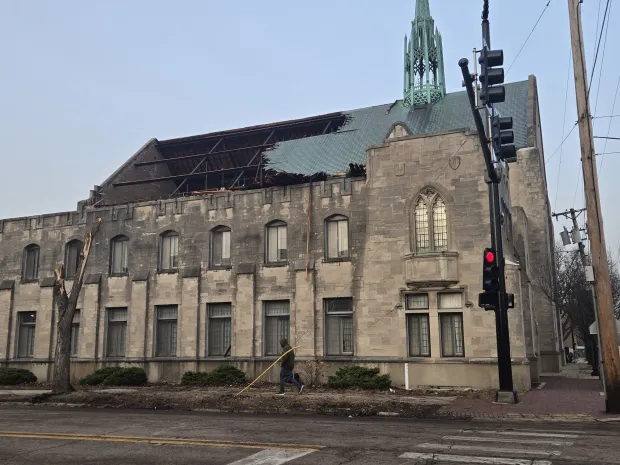
A church roof is one of the most important structural components of any religious facility. Whether it is protecting a sanctuary, fellowship hall, daycare area, classroom wing, or community center, the roofing system plays a critical role in protecting the building from water intrusion, structural deterioration, mold growth, and costly long-term damage. Unfortunately, many churches delay roof replacement projects until major problems begin affecting interior spaces and operations. Understanding the warning signs early can help churches throughout Indiana avoid emergency repairs and expensive structural restoration work.
One of the clearest signs a church roof may need replacement is recurring roof leaks. Water stains on sanctuary ceilings, damaged drywall, bubbling paint, or wet insulation often indicate that moisture has already penetrated the roofing system. In many cases, visible leaks inside the building are only a small symptom of much larger hidden damage occurring above the ceiling or within the roof decking. Over time, prolonged moisture exposure can weaken structural framing, damage insulation, and create mold concerns inside occupied church facilities.
Many older churches in Indiana still operate with aging roofing systems that have exceeded their expected lifespan. Asphalt shingles, flat commercial roofing membranes, flashing systems, and drainage components naturally deteriorate over time due to weather exposure, freeze-thaw cycles, UV radiation, and heavy storms. If a church roof is more than 20 to 30 years old, there is a strong possibility that replacement should at least be evaluated by a qualified commercial roofing contractor.
Flat roofing systems commonly found on fellowship halls, educational wings, and multi-purpose church facilities can be especially vulnerable to drainage problems. Ponding water, membrane separation, cracked seams, clogged drains, and deteriorating flashing systems often allow moisture to slowly enter the building over time. Because many flat roof leaks develop gradually, substantial damage may occur before the issue becomes visible from inside the church.
Another common warning sign is exterior deterioration around roof edges, soffits, fascia systems, or parapet walls. Loose materials, visible sagging, damaged flashing, or rotting wood components can indicate structural moisture intrusion occurring beneath the surface. Churches with steeples, high-pitched sanctuaries, or older architectural roof designs may also experience hidden deterioration in difficult-to-access areas that require specialized inspection methods.
Storm damage is another major reason churches throughout Indiana require roof replacement services. High winds, hail, ice buildup, and severe weather can compromise shingles, flashing systems, gutters, and roof penetrations. In some situations, storm damage may not appear catastrophic immediately after the event, but small punctures and loosened roofing materials can eventually create serious water intrusion problems months later.
Roof replacement projects for churches are rarely simple due to the size and complexity of religious facilities. Large sanctuaries often feature tall roof elevations, complex slopes, vaulted ceilings, structural trusses, or architectural elements that require careful planning and specialized equipment. Safety coordination becomes especially important when roofing work is performed near active entrances, parking areas, daycare facilities, or occupied portions of the church.
Another factor churches must consider is energy efficiency. Older roofing systems often lack proper insulation and ventilation, contributing to high heating and cooling costs throughout the year. Modern commercial roofing systems can improve thermal performance, reduce utility expenses, and create a more comfortable environment for worship services and community events.
Church roof replacement projects may also involve additional structural repairs once demolition begins. Contractors may uncover deteriorated decking, rotted framing, damaged insulation, or inadequate structural support systems hidden beneath the existing roofing materials. This is why experienced commercial contractors often recommend contingency planning for older church roofing projects where unknown conditions may exist beneath the surface.
At Ascension Construction, we help churches throughout Indiana evaluate existing roofing systems and develop long-term solutions designed to protect their facilities and operations. Whether the project involves a sanctuary roof replacement, flat commercial roofing system, drainage improvements, structural repairs, or exterior restoration work, proper planning and professional installation are critical for long-term durability.
Ignoring roofing issues often leads to significantly higher repair costs later. Water intrusion can spread into ceilings, walls, insulation, flooring systems, electrical components, and structural framing. By identifying roofing problems early and planning proactively, churches can better protect their buildings, reduce emergency repair expenses, and maintain safe environments for their congregations and community programs.
https://roofingbymidsouth.com/15-signs-its-time-to-replace-your-roof-before-it-costs-big/
https://absoluteroofing.com/blog/your-church-roof-needs-tlc-roofing-inspection-repair/





.svg.webp)